When people picture a heart attack, they often imagine a sudden collapse or intense chest pain. While this can happen, the reality is not always so obvious, particularly for women.
Heart disease remains one of the leading causes of death for women in Australia, yet awareness of how symptoms can appear in women is still relatively low. Because the signs may be different or more subtle, they can sometimes be overlooked or dismissed, delaying life-saving care.
Understanding the signs of cardiac emergencies is an important step in protecting the people around us.
The symptoms many people expect
Many people associate heart attacks with severe chest pain that spreads down the left arm. While this is a common symptom, it is based largely on how heart attacks have traditionally been recognised and studied in men.
Women can experience chest discomfort, but their symptoms are often less dramatic and may appear in different ways.
How heart attack symptoms can appear in women
Heart attack symptoms in women can include:
-
Shortness of breath
-
Nausea or vomiting
-
Unusual fatigue
-
Pain in the jaw, neck, shoulders or back
-
Dizziness or lightheadedness
-
Pressure, tightness or discomfort in the chest
Sometimes these symptoms develop gradually and may feel more like general discomfort than the sudden pain people expect. Because of this, women may delay seeking help or attribute the symptoms to something else, such as stress, fatigue or indigestion.
Why awareness matters
Recognising the signs of a heart attack and acting quickly can make a critical difference.
Early medical care improves survival and recovery outcomes. It also reduces the risk of complications that can occur when treatment is delayed.
That is why awareness and first aid knowledge are so important. When people understand the signs of cardiac emergencies and know how to respond, they are better equipped to help someone in a life-threatening situation.
What to do in a cardiac emergency
If someone may be experiencing a heart attack:
-
Call 000 immediately.
-
Help the person sit and rest.
-
Stay with them and monitor their condition until help arrives.
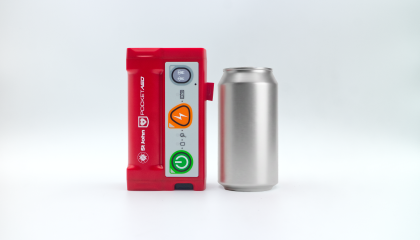
If the person becomes unresponsive and is not breathing normally, begin CPR immediately and send someone to retrieve an AED (automated external defibrillator) if one is available.
Knowledge saves lives
At St John, we believe that first aid knowledge empowers communities. Understanding the signs of cardiac emergencies and knowing how to respond can make the difference between life and death.
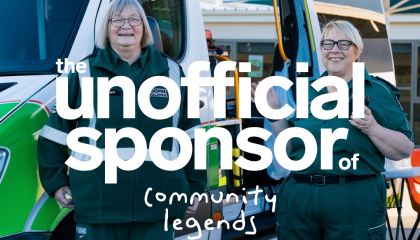
This International Women’s Day, we celebrate the women who serve our communities through St John, and we also encourage everyone to learn more about heart health and the signs of cardiac emergencies.
Because when every second counts, knowing what to do can save a life.